

Music has a remarkable ability to move us. It can make us feel joy, sadness, excitement, or peace. However, one element stands out as particularly powerful in shaping these emotional responses: dynamics. Understanding dynamics helps us appreciate why certain songs make us cry while others make us dance.
Understanding Musical Dynamics
Dynamics refers to the volume of sound in music. It encompasses how loud or soft a piece of music plays at any given moment. Musicians use specific terms to indicate these volume changes. For instance, “piano” means soft, while “forte” means loud. These Italian terms have been standard in Western music for centuries.
The concept seems simple at first glance. Nevertheless, dynamics involves much more than just turning the volume up or down. It includes gradual changes, sudden shifts, and careful control of sound intensity. Musicians spend years mastering dynamic control because it transforms notes on a page into living, breathing art.
The Language of Dynamics
Composers use specific markings to communicate dynamic intentions. The most common markings include pianissimo (very soft), piano (soft), mezzo-piano (moderately soft), mezzo-forte (moderately loud), forte (loud), and fortissimo (very loud). Additionally, there are terms for gradual changes. Crescendo indicates a gradual increase in volume, while diminuendo or decrescendo signals a gradual decrease.
These markings appear throughout musical scores. They guide performers in shaping phrases and creating emotional arcs. A skilled musician doesn’t just play notes correctly. Instead, they interpret these dynamic markings to bring the composer’s vision to life.
How Dynamics Create Emotional Impact
Dynamics serve as one of music’s most direct emotional tools. Loud passages often convey power, excitement, or anger. Conversely, soft passages typically express tenderness, sadness, or intimacy. However, the relationship between volume and emotion isn’t always straightforward.
Consider a whisper in a dramatic movie scene. It often creates more tension than a shout. Similarly, a sudden drop to pianissimo can be more striking than a fortissimo climax. The context matters enormously. A soft passage following an intense loud section creates a powerful contrast that heightens emotional impact.
The Power of Contrast
Contrast represents one of the most effective uses of dynamics. When composers alternate between loud and soft sections, they create drama and maintain listener interest. This technique appears across all musical genres. Classical symphonies use it extensively. Rock songs employ it in verse-chorus structures. Even electronic music relies on dynamic builds and drops.
The human brain responds strongly to contrast. We notice changes more than steady states. Therefore, a gradual crescendo building from whisper-quiet to thunderously loud creates anticipation and excitement. This technique appears in countless memorable musical moments, from Ravel’s “Boléro” to modern pop anthems.
Dynamics in Different Musical Genres
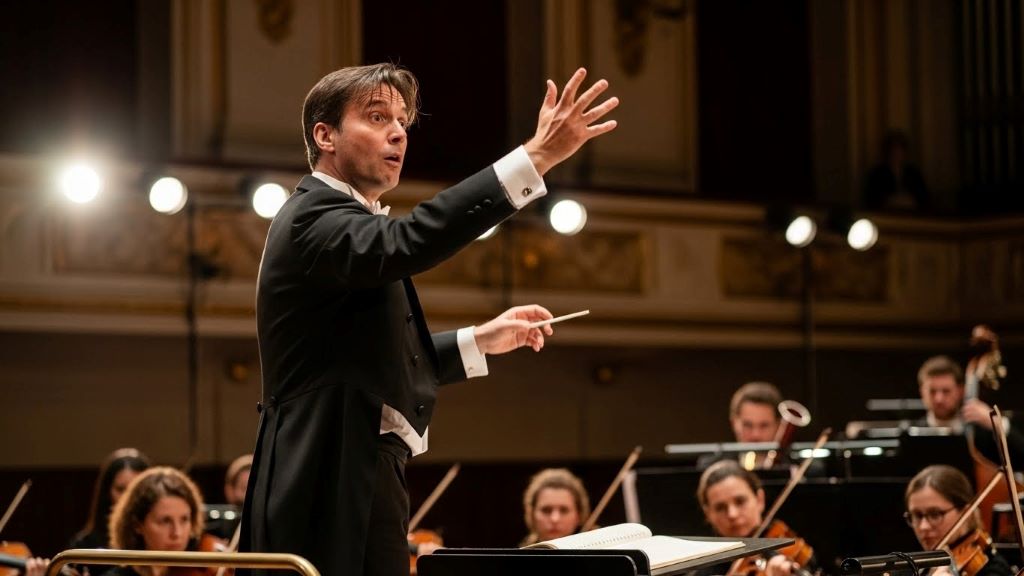
Every musical style uses dynamics differently. Classical music often features wide dynamic ranges. Orchestral pieces can move from barely audible strings to full brass and percussion. These extreme contrasts allow composers to paint vivid emotional landscapes.
Jazz musicians use dynamics more subtly. They create tension through small volume changes and varied articulation. A jazz pianist might play a melody softly while emphasizing certain notes with slight accents. This nuanced approach creates an intimate, conversational quality.
Rock and pop music typically use dynamics in broader strokes. Verses often sit at moderate volume levels. Then, choruses explode with increased volume and intensity. This structure creates energy and memorability. Additionally, many rock bands use the quiet-loud-quiet structure made famous by groups like the Pixies and Nirvana.
According to Britannica, dynamics have been a fundamental element of musical expression since ancient times, with formal notation systems developing significantly during the Baroque period.
The Psychology Behind Dynamic Changes
Our brains process dynamic changes in fascinating ways. Sudden loud sounds trigger our startle response. This evolutionary mechanism helped our ancestors react quickly to potential threats. In music, composers use this response deliberately. A sudden fortissimo after a quiet passage creates excitement or even fear.
Conversely, soft music can lower heart rate and blood pressure. This physiological response explains why lullabies and meditation music typically use gentle dynamics. The calming effect isn’t just psychological. Our bodies physically respond to softer volumes by relaxing.
Furthermore, crescendos create anticipation. As music gradually gets louder, our brains expect something important to happen. This expectation increases emotional engagement. When the climax arrives, we feel satisfaction and release.
Dynamic Range in Modern Music Production
Technology has transformed how we experience dynamics. In the early days of recording, engineers struggled to capture wide dynamic ranges. Modern digital technology allows for much greater dynamic control. However, this hasn’t always improved music.
The “loudness war” describes a trend in music production. Engineers compress dynamic range to make songs sound louder. This process reduces the difference between quiet and loud passages. Many critics argue this makes music less emotionally engaging. Without dynamic contrast, songs can feel flat and fatiguing.
Streaming services have begun addressing this issue. Platforms like Spotify and Apple Music normalize loudness across tracks. This change encourages producers to preserve dynamic range. As a result, newer releases often feature more dynamic variation than music from the early 2000s.
Learning to Listen for Dynamics
Anyone can develop better awareness of dynamics. Start by focusing on volume changes while listening to music. Notice when songs get louder or softer. Pay attention to how these changes affect your emotional response.
Classical music provides excellent training material. Listen to a symphony and track the dynamic journey. Notice how composers use soft passages for reflection and loud sections for triumph. This awareness enhances appreciation and enjoyment.
Additionally, try listening at different volumes. Playing music softly reveals details that disappear at high volume. Conversely, turning up the volume can reveal the power and energy in certain passages. This experimentation develops your dynamic sensitivity.
The Role of Silence
Silence represents the ultimate soft dynamic. Composers use rests and pauses strategically. A moment of silence after a loud passage can be stunning. It gives listeners time to process what they’ve heard and creates anticipation for what comes next.
Many powerful musical moments involve silence. The pause before a final chord creates tension. A breath between phrases allows music to breathe naturally. These silent moments are as carefully composed as the notes themselves.
Dynamics in Live Performance
Live music offers unique dynamic experiences. In concert halls, you hear the full dynamic range without electronic compression. A symphony orchestra can create sounds from barely audible to overwhelmingly powerful. This range creates visceral physical experiences that recordings struggle to capture.
Moreover, live performers respond to audience energy. They might play more intensely when crowds are engaged. This interactive element adds another layer to dynamic expression. The energy flows between performers and listeners, creating shared emotional experiences.
Teaching and Developing Dynamic Control
Musicians spend considerable time developing dynamic control. Young students often play everything at the same volume. Learning to vary dynamics requires technical skill and artistic sensitivity. It involves controlling breath, bow pressure, finger weight, or stick velocity depending on the instrument.
Teachers use various techniques to develop this skill. They might ask students to play scales at different dynamic levels. They encourage exaggeration initially. Playing extremely soft and extremely loud helps students find the full range of their instruments. Over time, they develop the control needed for subtle gradations.
Conclusion
Dynamics in music represents far more than simple volume control. It serves as a primary vehicle for emotional expression, shaping how we experience and respond to music. From the gentle pianissimo that draws us in to the powerful fortissimo that moves us to tears, dynamic variation creates the emotional landscapes that make music meaningful. Whether in classical symphonies, jazz improvisations, or modern pop songs, dynamics remain essential to musical communication. By understanding and appreciating dynamics, we deepen our connection to music and enhance our listening experiences. The next time you hear a song that moves you, pay attention to how the composer and performers use dynamics to create that emotional impact.
Frequently Asked Questions
What does dynamics mean in simple terms?
Dynamics in music refers to how loud or soft the music is played. It includes both steady volume levels and gradual or sudden changes in volume throughout a piece.
Why are dynamics important in music?
Dynamics create emotional expression and maintain listener interest. They help convey feelings, create contrast, build tension, and release energy, making music more engaging and meaningful.
What are the basic dynamic markings?
The basic dynamic markings from softest to loudest are pianissimo (pp), piano (p), mezzo-piano (mp), mezzo-forte (mf), forte (f), and fortissimo (ff). Crescendo means gradually louder, while diminuendo means gradually softer.
How do musicians control dynamics?
Musicians control dynamics through their technique. Singers use breath control, pianists adjust finger pressure, string players vary bow speed and pressure, and wind players control air flow and embouchure.
Can dynamics change the meaning of a song?
Absolutely. The same melody played softly versus loudly can convey completely different emotions. Dynamics fundamentally shape how listeners interpret and emotionally respond to musical content.
Related Topics:


