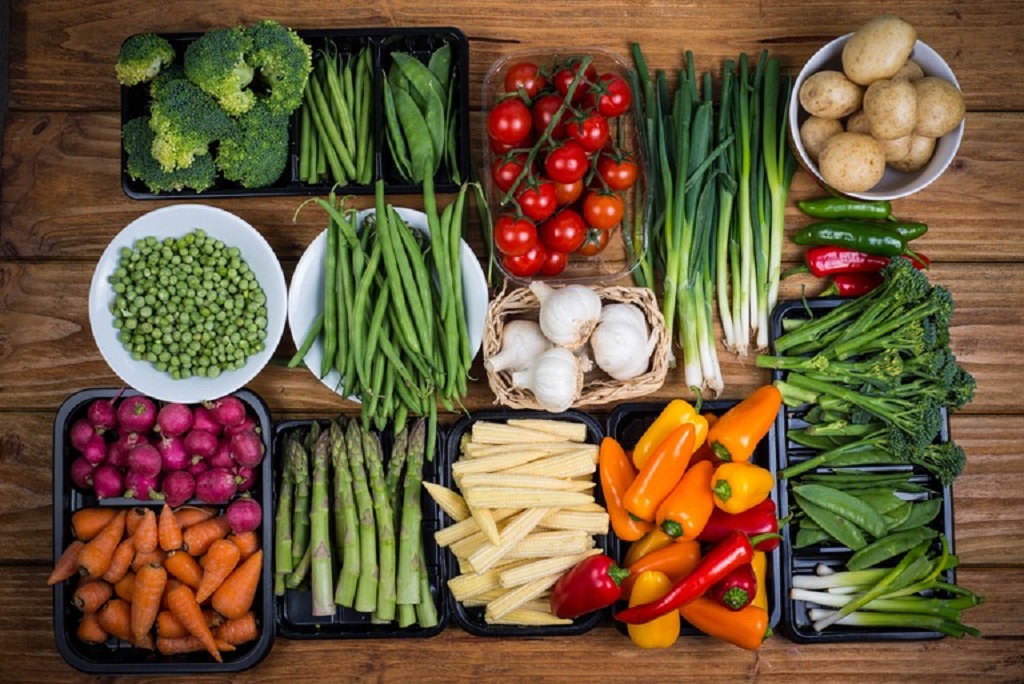
Picture this: a chef dashes through a misty dawn field, hands sinking into cool soil to pluck heirloom tomatoes still warm from the sun. That burst of flavor hits your plate hours later, not days. This scene captures the heart of the farm-to-table movement. It links kitchens directly to growers, skipping long-haul trucks and warehouses. Diners taste the land’s story in every bite.
The concept started small in the 1970s. Chefs pushed back against bland, factory food. They sought real roots in regional bounty. Today, it blooms into a force for good. According to the USDA’s 2024 Economic Research Service report, net farm income hit $180.1 billion in 2025, up 29.5% from 2024. This surge ties straight to local sourcing. Small farms now supply 35% of U.S. restaurant ingredients, jumping from 12% in 2020, per Metrobi’s 2025 industry analysis. These numbers show real change. They prove how chefs fuel healthier soils, stronger communities, and tastier tables.
In this article, we spotlight trailblazers. They tweak old ways with new twists like tech-driven gardens and soil-saving farms. Their work answers big questions: How does local food fight climate woes? What recipes spark joy from scraps? Ready to dig in? Let’s meet the chefs rewriting the rules.
(148 words)
The Roots of Farm-to-Table: A Quick History Lesson
Farm-to-table did not pop up overnight. It grew from quiet rebellions against big ag’s grip. Back in the 1960s, books like Rachel Carson’s Silent Spring woke folks up. Pesticides poisoned rivers and plates. People craved clean eats.
Enter Alice Waters in 1971. She opened Chez Panisse in Berkeley, California. No menu fixed in stone. Instead, she chased what farms offered that week. A salad of just-picked lettuces. A fish from nearby waters. Waters built ties with growers like Full Belly Farm. They planted what she dreamed up. This sparked a chain reaction. By the 1980s, spots like The Herbfarm in Washington state followed suit. Ron Zimmerman there turned his family’s land into a herb haven. Guests ate amid the plants that fed them.
Fast-forward to the 2000s. The movement hit mainstream. Michael Pollan’s The Omnivore’s Dilemma sold millions. It urged us to know our food’s path. Chefs like Dan Barber at Blue Hill jumped in. He grilled fish from overfished stocks to spotlight waste. Unknown fact: Early pioneers like Edna Lewis, the “Grand Dame of Southern Cooking,” wove farm-fresh tales into her 1976 book The Taste of Country Cooking. Born in 1916, she farmed as a kid in Virginia. Her recipes hid subtle nods to soil health long before it trended.
These roots run deep. They remind us: Eating local once meant survival. Now, it means revival. Chefs today stand on this ground. They push it further with fresh ideas.
Why Farm-to-Table Matters Now More Than Ever
Our food system creaks under weight. Industrial farms guzzle water and spew carbon. A 2024 NRDC study shows they erode 24 billion tons of topsoil yearly. Enter farm-to-table chefs. They shorten chains. Food travels miles, not thousands. This cuts emissions by up to 75%, says a 2025 Agritecture report.
Health wins big too. Local picks pack more nutrients. A carrot yanked fresh holds 30% more vitamin A than one shipped cross-country, per USDA data. Diners feel it. Tastes pop. Bodies thank you.
Economies lift as well. Small farms thrive. That 29.5% income jump? It flows to rural spots. Jobs bloom in harvest hands and kitchen crews. Communities knit tighter. Chefs host farm suppers. Folks chat with the hands that grew their greens.
Yet challenges lurk. Season shifts mean menu flips. Weather whims waste crops. Chefs adapt. They pickle extras or swap in roots for leaves. This grit builds resilience. In 2025, with climate talks hot, these stories inspire. They show one plate at a time can heal the earth.
Spotlight on Trailblazing Chefs: Stories from the Field
These chefs do not just talk local. They live it. Each bends the movement in bold ways. Let’s walk their paths.
Alice Waters: The Godmother Evolves
Alice Waters still stirs pots at Chez Panisse. At 80, she eyes the future. Her Edible Schoolyard Project now dots 50 states. Kids plant and cook. One unknown twist: In 2024, she teamed with AI tools to map soil health. Drones scan her demo farm. Data guides what grows next. This tech twist keeps her legacy fresh.
Her impact? Massive. A 2021 UC Davis study credits Chez Panisse with shifting 200+ Bay Area farms to organic. Waters chats with growers weekly. “Taste the dirt,” she says. Her 2025 Netflix spot in Chef’s Table: Legends spotlights this. Viewers see her pick peaches at dawn. Simple. Profound.
Dan Barber: Soil Whisperer and Waste Warrior
Dan Barber runs Blue Hill at Stone Barns. His New York farm doubles as lab. He breeds carrots that fix nitrogen. No fertilizers needed. Unknown fact: Barber once served a “humorless” menu—all from one overlooked crop, sunchokes. Guests laughed, then learned.
In 2025, he pushes row crops into fine dining. Corn from regenerative fields stars in foams and crisps. A case study from Food Tank notes his farm sequesters 10 tons of carbon per acre yearly. Barber hosts “WastED” pop-ups. Chefs turn scraps into silk. Bread heels become gelato. His book The Third Plate sold 100,000 copies. It flips plates: Cook for the land first.
Dominique Crenn: Ocean-to-Table Innovator
San Francisco’s Dominique Crenn weaves sea into her farm story. Atelier Crenn sources kelp from Alaskan bays. She ferments it into umami bombs. Unknown fact: Crenn hides poems in her dishes. A 2024 plate read “From tide to fire.” Eat the story.
Her push? Bluefin-free menus. She lobbies for sustainable catches. In 2025, her pop-up with Pacific fishermen drew 500. They grilled spot prawns over driftwood. Crenn’s three Michelin stars shine green too. Her greenhouse grows microgreens year-round. A 2023 NRDC report praises her: Coastal farms she backs cut plastic waste by 40%.
Jeremiah Langhorne: Urban Roots Revival
In D.C., Jeremiah Langhorne at The Dabney revives Appalachian eats. His garden yields pawpaws and ramps. Unknown fact: He forages city parks for wild sorrel. Legal, of course—permits in pocket.
Langhorne’s 2025 James Beard nod came for a dish: Corn from a neighbor’s plot, shucked tableside. He partners with 20 D.C. farms. Menus shift with rain forecasts. A Metrobi case study shows his model boosts urban farm sales 50%. He teaches line cooks to compost. Zero waste. Pure cycle.
April Bloomfield: Nose-to-Tail Trailblazer

London-born April Bloomfield brought British farm vibes to New York. At Tosca Cafe, she roasts whole lambs from upstate. Unknown fact: She once blind-tasted 100 heritage pig breeds. Picked Tamworth for its marbled fat.
In 2025, Bloomfield launches “Scraps School.” Chefs learn to grind beet tops into pasta. Her book A Girl and Her Greens hides farm hacks. Like blanching kale in whey for silkiness. A 2024 Forbes piece calls her the “quiet revolutionary.” She funds women-led farms. Ten grants last year. Each grows forgotten grains like emmer.
Sean Brock: Southern Soil Savior
Sean Brock’s Audrey in Nashville digs deep into Dixie dirt. He revives lost crops like Carolina Gold rice. Unknown fact: Brock tattoos farm maps on his arms. Each marks a grower’s plot.
His 2025 project? “Seed Libraries.” Chefs swap heirlooms like books. No fines—just recipes. A Farm Aid podcast highlights his work: Brock’s network saved 15 seed varieties from extinction. At Husk, he smokes hams over orchard prunings. Zero import. His TED Talk drew 2 million views. “Cook like your grandma, farm like tomorrow,” he quips.
Joey Scarlett: Mountain Meal Maker
In Aspen, Joey Scarlett runs the Art Museum Cafe. His wife Tiffany sources from Flipside Farm. Unknown fact: They brew beer from spent grain—farm waste turned fizz.
Scarlett’s 2025 menu links farms on plates. Click QR codes for grower bios. A KUNC report notes his cafe feeds 1,000 weekly under $30. He mentors youth in gardens. “Kids taste dirt, then dream big,” he says. His pop-ups with Hotchkiss farms sell out. Elk from Dooley Creek, greens from the Western Slope. Pure Rockies.
These chefs share grit. They face floods, flops. Yet they feast on fixes. Their tables invite us all.
Innovations Driving the Movement Forward
Farm-to-table levels up in 2025. Tech meets tradition. Drones map yields. Apps match chefs to harvests. A Vocal Media piece predicts AI flavor balancing by year’s end.
Regenerative ag leads. Chefs like Barber rotate covers. Soils rebuild. NRDC data: These plots hold 20% more water. Drought-proof.
Urban farms boom. In Dallas, Andrea Shackelford’s Harvest kitchen grows in shipping containers. LEDs mimic sun. Unknown fact: Her setup yields 10x traditional plots. Chefs in L.A. hydroponic greens in warehouses. No soil. Just mist.
Waste flips to wonder. “Root-to-stem” rules. Stems soup up stocks. A 2025 Escoffier study: This cuts kitchen trash 60%. Chefs pickle peels. Ferment cores. Guests sip rhubarb rind shrubs.
Sea farms rise. Kelp towers off coasts. Crenn’s crew harvests by boat. Carbon sinks, they say. Tastes briny bright.
These sparks light paths. Chefs test. Fail. Refine. We all win.
How to Bring Farm-to-Table Home: Practical Tips
You don’t need a pro kitchen. Start small. Taste the change.
- Hunt Local Gems: Hit farmers’ markets Saturdays. Chat with growers. Ask: “What’s peaking?” Score deals on seconds—ugly but yummy.
- Join a CSA Box: Community Supported Agriculture drops weekly shares. Pay upfront. Get surprises. A USDA tip: Mix in recipes from the farm’s site.
- Grow Your Patch: Balcony pots work. Herbs first—basil bursts easy. Unknown hack: Companion plant. Marigolds fend off bugs.
- Cook Seasonal Swaps: Summer? Zucchini noodles. Winter? Root roasts. Use apps like Seasonal Eat for cues.
- Waste Not: Freeze extras. Blend carrot tops into pesto. A 2024 Green Matters guide: This saves $1,500 yearly per home.
- Host a Supper: Invite pals. Forage berries. Grill local catch. Share stories. Builds bonds.
Track wins. Journal flavors. Your table transforms. Chefs inspire. You act.
Challenges and Real Talk: The Tough Side
No path smooth. Season droughts dry dreams. Chefs scramble. A Tampa Bay probe found fakes: Menus lie about sources. Real ones build trust slow.
Costs climb. Local lamb tops imports. Yet fans pay for purity. A 2025 FSR Magazine stat: 70% of diners pick sustainable spots.
Labor strains. Harvest hands scarcer. Chefs pitch in. Brock hoes rows himself.
Scale stalls. Big chains copy lingo, skip soul. Critics call fad. But data disagrees. Growth holds.
Solutions brew. Co-ops pool buys. Tech tracks true. Chefs speak out. Scarlett lobbies for fair farm bills.
Honesty heals. Eat there. Ask questions. Support real.
Related Topics: Trisha Yearwood
Conclusion
Chefs who are changing the farm-to-table movement turn fields into futures. Alice Waters plants ideas. Dan Barber mends soil. Dominique Crenn guards seas. They face flops but flavor wins. Stats back it: Incomes rise. Emissions drop. Tastes soar.
This wave lifts all. Farmers feed. Diners decide. You hold power. Pick local next meal. Chat a grower. Grow a sprout. Start today.
Ready to plate change? Grab a fork. Dig in. Share your story—what farm fresh bite sparks you? Let’s keep the movement rolling.
Related Topics: Tim Love
FAQs
What sparked the farm-to-table movement?
It bloomed in the 1970s. Chefs like Alice Waters rebelled against processed foods. They sought fresh, direct sources. Books and back-to-land vibes fueled it.
How do farm-to-table chefs cut food waste?
They use root-to-stem tricks. Pickle peels. Ferment scraps. Dan Barber’s “WastED” turns heels into treats. This slashes trash by 60%, per studies.
Can home cooks join the farm-to-table trend?
Yes! Shop markets. Join CSAs. Grow pots. Cook seasonal. Apps guide swaps. Start small—your plate shifts the chain.
What’s new in farm-to-table for 2025?
AI maps soils. Urban hydro farms yield big. Regenerative plots heal land. Chefs like Crenn add sea kelp. Tech meets tradition.
Why support local farms through chefs?
It boosts incomes—up 29.5% in 2025, USDA says. Cuts carbon. Packs nutrition. Builds community. One bite funds futures.


