
In the realm where human creativity meets technological innovation, an exciting partnership is flourishing. The harmonious union of music and artificial intelligence (AI). Once considered disparate domains, music, and AI are now proving to be a perfect match, propelling each other to new frontiers and transforming the way we create, consume, and experience music, with concepts like rent musical meaning being redefined through this technological synergy.
AI’s Creative Spark in Music Composition
The traditional image of a composer hunched over sheet music, painstakingly crafting melodies, is undergoing a dramatic shift. AI has emerged as a powerful tool for music composition, capable of generating original melodies, harmonies, and even complete musical pieces. AI algorithms can analyze vast musical datasets, learning patterns, styles, and structures to produce compositions that are both innovative and captivating.
AI-powered composition tools are democratizing the creative process, enabling aspiring musicians and composers to experiment with different sounds and styles effortlessly. This accessibility has led to a surge in musical creativity, with individuals from diverse backgrounds exploring their musical potential without the constraints of formal training.
AI’s Role in Music Production and Performance
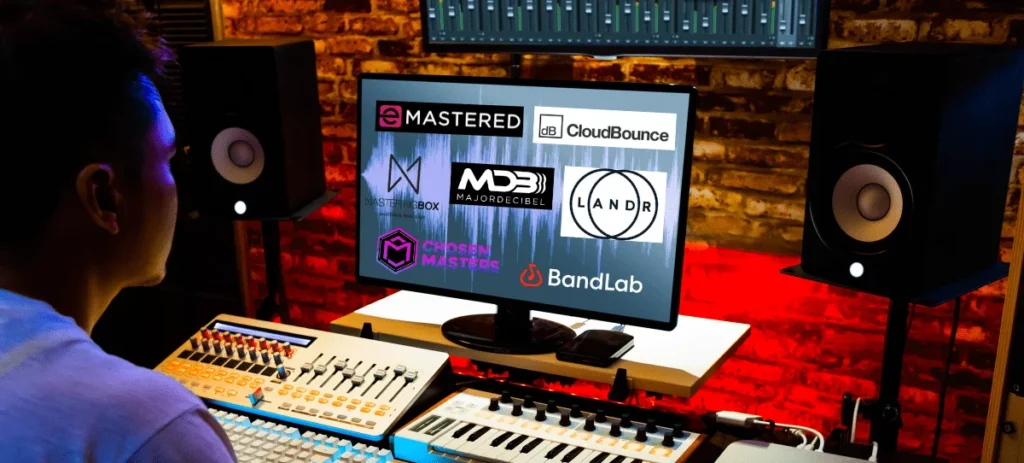
The influence of AI extends far beyond composition, revolutionizing the entire music production and performance landscape. AI-powered tools streamline the production process, automating tedious tasks like mixing, mastering, and sound design. This frees up musicians and producers to focus on the creative aspects of their work, leading to more polished and professional-sounding recordings.
AI is also transforming live music performances. From interactive installations that respond to audience movements to AI-generated visuals that enhance the concert experience. AI is blurring the lines between the physical and digital worlds, creating immersive and unforgettable performances.
AI-Powered Music Recommendation and Discovery
Gone are the days of endlessly browsing through music libraries or relying on radio stations to discover new music. AI-powered music recommendation systems have transformed the way we discover and consume music, tailoring playlists and suggestions based on individual listening habits, preferences, and moods.
AI algorithms analyze listening patterns, song metadata, and even user emotional states to curate personalized playlists that cater to each individual’s unique musical tastes. This has led to a more fulfilling and engaging music discovery experience. Exposing listeners to a wider range of music they might not have encountered otherwise.
Related: Why is Spa Music So Relaxing?
AI in Music Therapy and Education
Beyond entertainment, the synergy between music and AI is also proving valuable in therapeutic and educational settings. AI-powered tools are being used in music therapy to help individuals with various conditions. Such as anxiety, depression, and autism, to express themselves and manage their emotions through music.
In music education, AI provides personalized learning experiences, adapting to each student’s individual needs and learning styles. AI-powered tutors can provide real-time feedback, and offer tailored practice exercises. Even generate personalized lesson plans, making music education more accessible and effective.
Ethical Considerations and Challenges
While the integration of music and AI presents exciting opportunities, it also raises important ethical considerations and challenges. The potential for AI to replace human musicians and composers has sparked debates about the future of the music industry and the role of human creativity in the age of AI.
Additionally, concerns have been raised about the ownership and copyright of AI-generated music. As well as the potential for AI to perpetuate biases and stereotypes present in existing musical datasets.
Related: Music for studying: How it can help you in concentration
The Future of Music and AI
Despite these challenges, the future of music and AI is bright. The partnership between these two domains is poised to continue flourishing, pushing the boundaries of musical creativity and transforming the way we interact with music.
As AI algorithms become more sophisticated. We can expect to see even more innovative and personalized music experiences, blurring the lines between creators and consumers and fostering a deeper connection between music and its audience.
In the coming years, AI will undoubtedly continue to play a pivotal role in shaping the future of music. Empowering musicians, composers, and listeners alike to create, discover, and experience music in ways we never thought possible. The perfect match between music. AI is set to redefine the very essence of musical expression, leaving an indelible mark on the world of music for generations to come.
Conclusion:
The relationship between music and AI is a testament to the boundless potential that emerges when human creativity and technological innovation converge. From AI-powered composition and production tools to personalized music recommendations and therapeutic applications. AI is revolutionizing every aspect of the music landscape. While challenges and ethical considerations remain. The harmonious union of music and AI is poised to continue flourishing, paving the way for a future where music is more accessible, personalized, and impactful than ever before. The perfect match between music and AI is not just a trend. It’s a transformative force that is reshaping the very essence of musical expression, leaving an enduring legacy in the world of music.
Let me know if you’d like any revisions or have any other questions!