

Restaurants play slow tempo music because it encourages guests to relax, stay longer, and enjoy more food and drinks. Research also suggests that slower background music can influence dining speed, customer satisfaction, and overall spending without making the experience feel rushed.
Music shapes almost every restaurant visit, even when guests barely notice it. Studies from hospitality researchers show background music can influence dining behavior and purchase decisions. Additionally, consumer research reports that atmosphere strongly affects restaurant satisfaction for most diners. Understanding why restaurants use slow tempo music helps both customers and business owners appreciate its powerful role.
How Slow Tempo Music Creates a Relaxed Dining Experience
Restaurant owners carefully design every detail to improve guest comfort and satisfaction. Music works alongside lighting, décor, aromas, and service to create a welcoming atmosphere.
Slow tempo music usually ranges between 60 and 80 beats per minute. As a result, diners naturally slow their eating pace and enjoy conversations for longer periods.
Many restaurants also combine pleasant entertainment with memorable meals through experiences like enjoy food and live music. This combination creates emotional connections that encourage repeat visits.
Guests often feel less pressure when calm music fills the dining room. Consequently, they become more comfortable ordering appetizers, desserts, or another round of beverages.
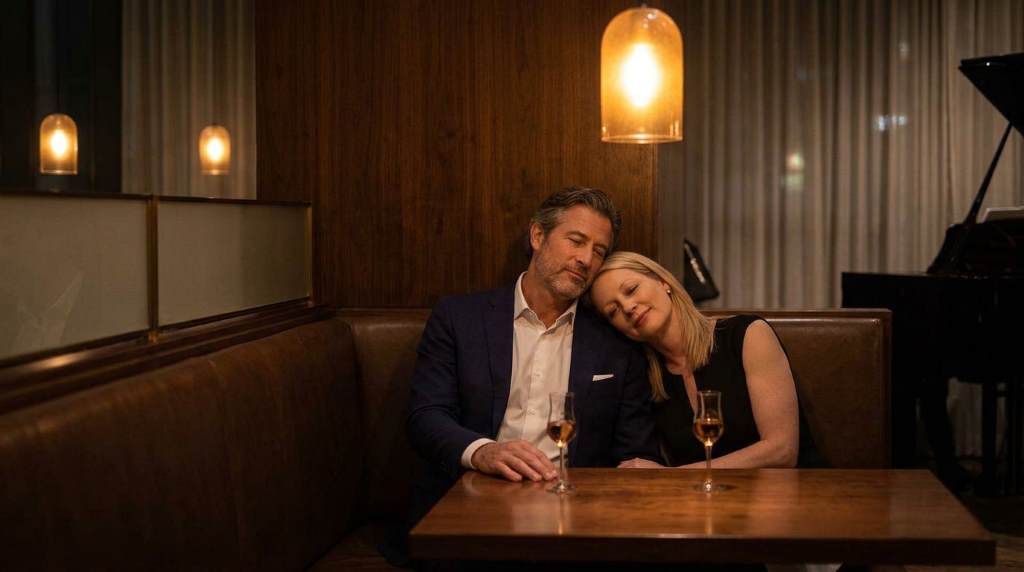
Psychological Effects of Slow Music
Music influences emotions without requiring active attention from listeners. Therefore, slow rhythms naturally reduce feelings of stress and create a calmer environment.
- Encourages relaxation
- Supports longer conversations
- Reduces perceived waiting time
- Creates a premium atmosphere
- Improves overall dining satisfaction
Why Restaurants Want Guests to Stay Longer
Longer visits often lead to higher average spending across many full service restaurants. Guests have more opportunities to order additional courses or specialty beverages.
Restaurant managers understand that memorable experiences build customer loyalty over time. Therefore, they carefully balance table turnover with guest satisfaction for sustainable business growth.
Some hospitality venues also promote lifestyle experiences similar to summer BBQ budget between music and food. These ideas highlight how entertainment and dining naturally complement each other.
Fine dining establishments especially benefit from slower musical selections throughout service hours. Guests generally expect an elegant atmosphere instead of a rushed dining experience.
How Spending Habits Change
Customers rarely notice music affecting their purchasing behavior during meals. However, hospitality studies consistently observe measurable differences in ordering patterns.
- More dessert orders
- Higher beverage sales
- Increased appetizer purchases
- Greater willingness to explore menu specials
- Higher customer return rates
The Science Behind Music and Human Behavior
Scientists have studied background music in restaurants for several decades. Their findings repeatedly show meaningful relationships between tempo and customer behavior.
The human brain naturally synchronizes with external rhythms through a process called entrainment. Consequently, slower beats often encourage slower physical movements and eating speeds.
Environmental psychology also explains how background sounds influence mood without conscious awareness. Therefore, carefully selected playlists become valuable business tools rather than simple entertainment.
Restaurants frequently update playlists according to breakfast, lunch, dinner, or evening crowds. Each period benefits from different energy levels and customer expectations.
Tempo Matters More Than Volume
Music volume certainly affects comfort, yet tempo often creates stronger behavioral changes. Soft, slow music usually delivers the most relaxing dining environment.
| Music Style | Typical Customer Response |
|---|---|
| Slow tempo | Longer visits and relaxed dining |
| Moderate tempo | Balanced meal pace |
| Fast tempo | Quicker eating and faster table turnover |
Different Restaurant Types Use Music Differently
Every restaurant has unique business goals and customer expectations. Therefore, music selection varies significantly across different dining concepts.
Fast food restaurants often prefer upbeat playlists during busy periods. Faster music encourages efficient customer movement and shorter dining times.
Casual restaurants usually blend moderate and slow songs throughout the day. This approach creates comfort while maintaining steady customer flow.
Luxury restaurants generally favor instrumental jazz, classical music, or soft acoustic performances. These genres reinforce exclusivity and refined dining experiences.
Examples by Restaurant Category
- Fast food uses energetic playlists.
- Family restaurants mix moderate tempos.
- Steakhouses often select jazz.
- Fine dining favors classical music.
- Wine bars usually prefer soft acoustic music.
How Live Music Supports the Same Strategy
Live performances create memorable dining experiences while maintaining a comfortable atmosphere. Slow acoustic sets often encourage guests to remain longer and enjoy additional menu items.
Restaurants carefully schedule musicians whose styles match customer expectations and meal periods. Calm performances support conversation without overwhelming the dining environment.
Many successful venues blend quality cuisine with carefully selected entertainment to strengthen customer loyalty. This balanced approach creates positive memories that extend beyond the meal itself.
Lessons From Hospitality and Yacht Club Dining
Hospitality venues beyond restaurants also recognize the importance of atmosphere. Yacht clubs frequently combine waterfront scenery with calm dining environments that encourage longer social gatherings.
Miami Yacht Club, founded in 1927 on Watson Island, combines marina facilities, dining, and sailing education within a relaxed waterfront setting. Guests often enjoy peaceful surroundings that naturally complement slower background music.
Biscayne Bay Yacht Club, established in 1887 in Coconut Grove, preserves strong local racing traditions while offering elegant social dining. Calm music helps maintain its refined maritime atmosphere during member events.
Coral Reef Yacht Club also serves members through family focused maritime activities and active Biscayne Bay racing programs. Meanwhile, Coconut Grove Sailing Club offers accessible community sailing while maintaining welcoming social spaces.
Tips for Restaurant Owners Choosing Background Music
Business owners should match music with brand identity instead of following general trends. Every customer group responds differently depending on expectations and dining purpose.
- Know your target audience.
- Adjust playlists by meal period.
- Keep volume comfortable.
- Match music with restaurant style.
- Review customer feedback regularly.
Testing different playlists provides valuable information before making permanent changes. Small adjustments often produce meaningful improvements in guest satisfaction and revenue.
Conclusion
Slow tempo music remains one of the simplest tools for improving restaurant experiences. It encourages relaxation, supports longer visits, and often increases customer satisfaction through subtle psychological influence.
If you manage a restaurant, evaluate your current playlist with the same care given to your menu and service. Small changes in background music can create lasting improvements for both guests and business performance.
Frequently Asked Questions
Why do expensive restaurants use slow music?
Slow music creates a calm atmosphere that matches premium dining expectations.
Does slow music increase restaurant sales?
Yes, many studies suggest slower music can encourage higher spending during longer visits.
Do fast food restaurants use different music?
Yes, they often use faster music to support quicker customer turnover.
Can background music affect appetite?
Music mainly influences dining pace and mood rather than directly increasing appetite.
What music works best in fine dining restaurants?
Soft jazz, classical, and acoustic music usually create the most suitable atmosphere.