

Guitars are magical instruments, weaving stories through every strum. Yet, nothing dampens a jam session like a guitar that refuses to stay in tune. If you’re wondering, “Why does my guitar keep going out of tune?” you’re not alone. As a guitarist, I’ve faced this frustration countless times, chasing perfect pitch only to hear sour notes mid-song. This blog post tells the tale of a guitar’s tuning struggles, exploring causes, solutions, and tips to keep your strings singing sweetly. By the end, you’ll master your instrument’s quirks and play with confidence. Let’s dive into this musical mystery and uncover why your guitar keeps drifting off-key.
The Annoying Reality of a Guitar Out of Tune
Picture this: you’re strumming a heartfelt melody, lost in the music, when a jarring note snaps you back. Your guitar is out of tune—again. This issue plagues beginners and seasoned players alike. According to a 2019 study by Fender, 68% of guitarists report tuning problems as their top maintenance challenge. The reasons vary, from environmental factors to hardware issues. Understanding why your guitar keeps going out of tune is the first step to fixing it. In my early playing days, I blamed my cheap tuner, only to learn my guitar’s setup was the real culprit. Let’s explore the common causes behind this pesky problem and how they affect your sound.
Environmental Factors Throwing Your Guitar Off-Key
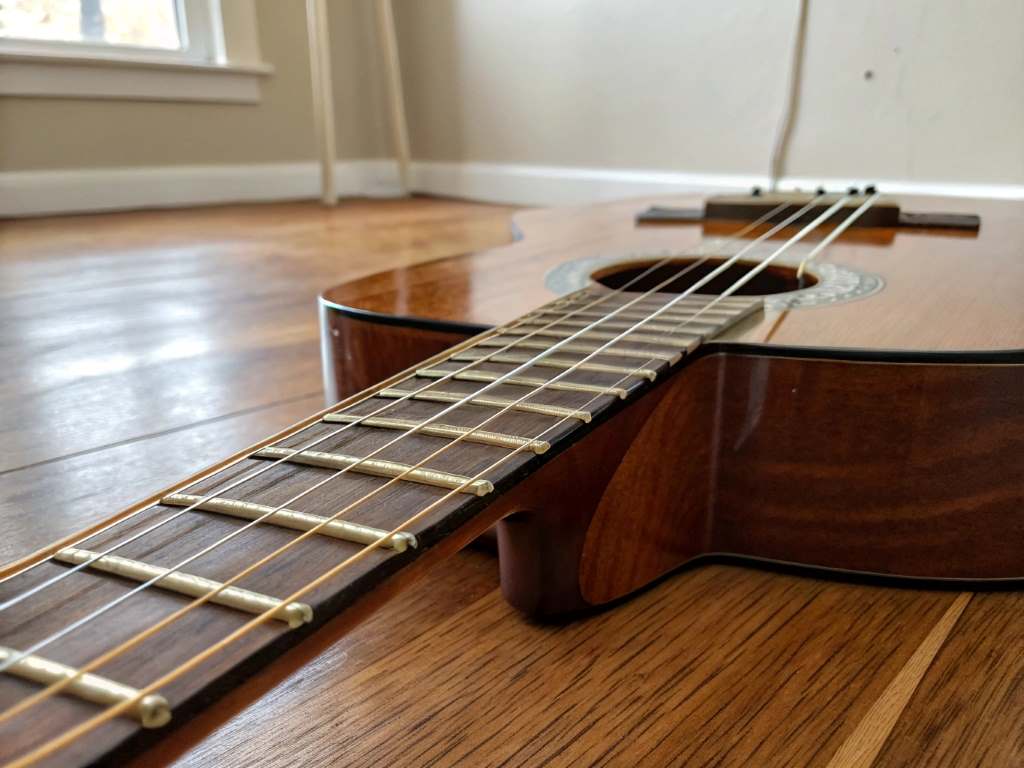
Guitars are sensitive to their surroundings. Temperature and humidity swings can wreak havoc on tuning stability. For instance, wood expands in humid conditions and contracts in dry ones, altering string tension. A 2021 article from Guitar World notes that guitars stored in environments with humidity below 40% or above 60% often face tuning issues. I once left my acoustic guitar near a heater, only to find it hopelessly out of tune the next day. Additionally, rapid temperature changes, like moving from a cold car to a warm room, can cause strings to stretch or loosen. This can also affect other instruments, such as a broken ukulele, where changes in temperature and humidity might exacerbate existing issues. To combat this, store your guitar and other instruments in a stable environment and use a humidifier if needed.
String Quality and Age as Tuning Culprits
Old or low-quality strings are a major reason guitars go out of tune. Over time, strings lose elasticity, corroding from sweat and oils. This affects their ability to hold pitch. High-quality strings, like those from D’Addario or Elixir, last longer and stay in tune better. When I switched to coated strings, my tuning issues dropped significantly. Moreover, new strings stretch initially, requiring frequent retuning for the first few days. To avoid this, stretch your strings gently after installing them. Replace strings every 1–3 months, depending on how often you play. Investing in good strings and maintaining them properly ensures your guitar stays in tune longer.
Hardware Issues That Disrupt Tuning Stability
Your guitar’s hardware plays a big role in tuning. Faulty tuning pegs, a loose nut, or a worn bridge can cause strings to slip. For example, low-quality tuning pegs may not grip strings tightly, leading to gradual detuning. I once borrowed a friend’s guitar with sticky tuners, making it impossible to stay in tune. Additionally, a poorly cut nut can cause strings to bind, creating tuning inconsistencies. Check your guitar’s setup regularly and consider upgrading to locking tuners for better stability. A professional setup, costing around $50–$100, can fix these issues. Quality hardware keeps your guitar in tune, letting you focus on playing.
Playing Habits That Cause Tuning Problems
How you play can also affect tuning. Aggressive strumming or heavy bending stretches strings, pulling them out of tune. Beginners often press too hard on the fretboard, causing sharp notes. I learned this the hard way during my first gig, where my overzealous strumming left my guitar sounding off. Moreover, frequent capo use or alternate tunings can stress strings, leading to instability. To minimize this, tune up gently after changing tunings and use a light touch when fretting. Practicing proper technique not only improves your sound but also helps your guitar stay in tune during long sessions.
Tips to Keep Your Guitar in Tune
Keeping your guitar in tune requires a mix of care and smart habits. Here are some practical tips to ensure your instrument stays pitch-perfect:
- Store properly: Keep your guitar in a case with stable humidity (45–55%).
- Use quality strings: Invest in reputable brands for better tuning stability.
- Stretch new strings: Gently pull strings after installation to reduce initial stretching.
- Check hardware: Inspect tuners and the bridge for wear; consider upgrades if needed.
- Tune regularly: Use a reliable electronic tuner before every session.
- Avoid extreme conditions: Don’t leave your guitar in hot cars or near heaters.
- Get professional setups: Schedule a setup every 6–12 months for optimal performance.
These steps transformed my guitar’s reliability, and they can do the same for you.

Common Mistakes Guitarists Make with Tuning
Even experienced players make tuning errors that lead to frustration. Avoiding these pitfalls can save you time and improve your sound:
- Ignoring string age: Old strings lose intonation, so replace them regularly.
- Using cheap tuners: Inaccurate tuners lead to poor tuning; invest in a quality one.
- Over-tightening tuners: This can damage hardware and cause slipping.
- Neglecting setup: A poorly adjusted guitar will never stay in tune.
- Tuning in noisy environments: Background noise can confuse clip-on tuners.
- Skipping string stretching: New strings need stretching to stabilize quickly.
By sidestepping these mistakes, you’ll spend less time tuning and more time playing. My early days were filled with these errors, but learning from them made me a better guitarist.
The Benefits of a Well-Tuned Guitar
A guitar that stays in tune offers more than just good sound. It boosts your confidence, letting you focus on creativity rather than constant adjustments. You’ll enjoy longer practice sessions without interruptions, improving your skills faster. For performers, a reliable guitar ensures professional-sounding gigs, impressing audiences. Plus, consistent tuning reduces wear on strings and hardware, saving money over time. When I finally got my guitar’s tuning issues under control, my playing felt effortless, and my audience noticed the difference. A well-tuned guitar transforms your musical experience, making every note a joy to play.
When to Seek Professional Help
Sometimes, tuning problems need expert attention. If you’ve tried everything—new strings, proper storage, and careful playing—but your guitar still won’t stay in tune, it’s time for a professional setup. Luthiers can adjust the truss rod, nut, and bridge to optimize performance. They can also spot issues like fret wear or structural damage. My first professional setup was a game-changer, fixing problems I didn’t even know existed. Expect to pay $50–$150, depending on the work needed. For persistent issues, visit a reputable luthier.
Conclusion
Tuning troubles can feel like a never-ending battle, but understanding why your guitar keeps going out of tune empowers you to fix it. From environmental factors to hardware quirks, each issue has a solution. By using quality strings, maintaining your guitar, and avoiding common mistakes, you’ll keep your instrument in perfect pitch. My journey from tuning frustration to mastery taught me patience and care, and I hope this guide inspires you to do the same. Share your tuning tips or struggles in the comments below, or spread this article to help fellow guitarists. Let’s keep the music flowing and our guitars in tune!
FAQs
Why do my guitar strings go out of tune so quickly?
New or old strings stretch or lose elasticity, causing tuning issues. Stretch new strings and replace old ones regularly.
Can humidity really affect my guitar’s tuning?
Yes, humidity changes wood and string tension. Keep your guitar in 45–55% humidity to maintain tuning stability.
How often should I change my guitar strings?
Change strings every 1–3 months, depending on play frequency, to ensure tuning stability and sound quality.
Is a professional guitar setup worth it?
Absolutely. A setup fixes hardware and intonation issues, ensuring your guitar stays in tune longer.
Can my playing style cause tuning problems?
Yes, aggressive strumming or heavy bending can stretch strings. Use a lighter touch to minimize detuning.